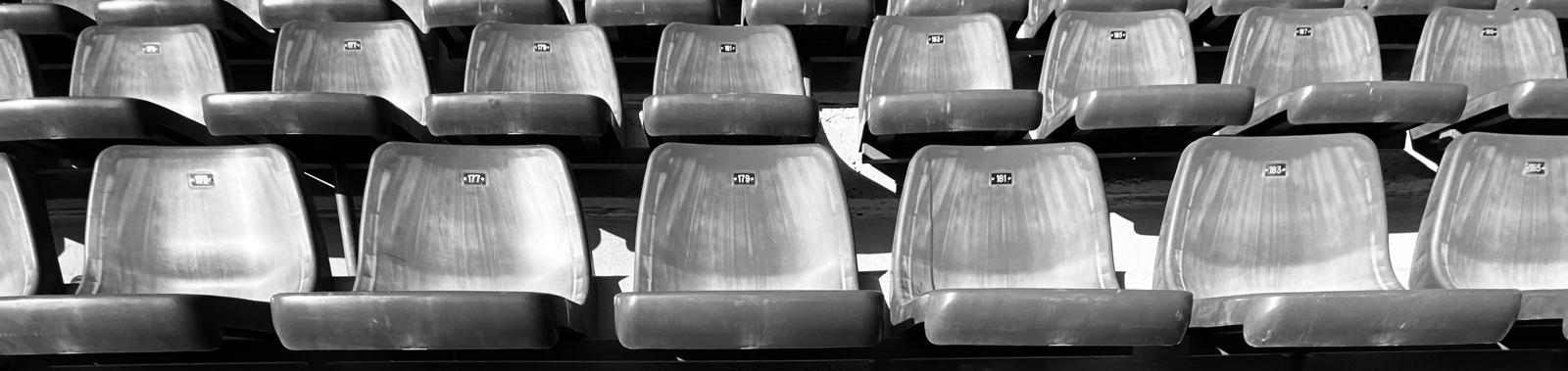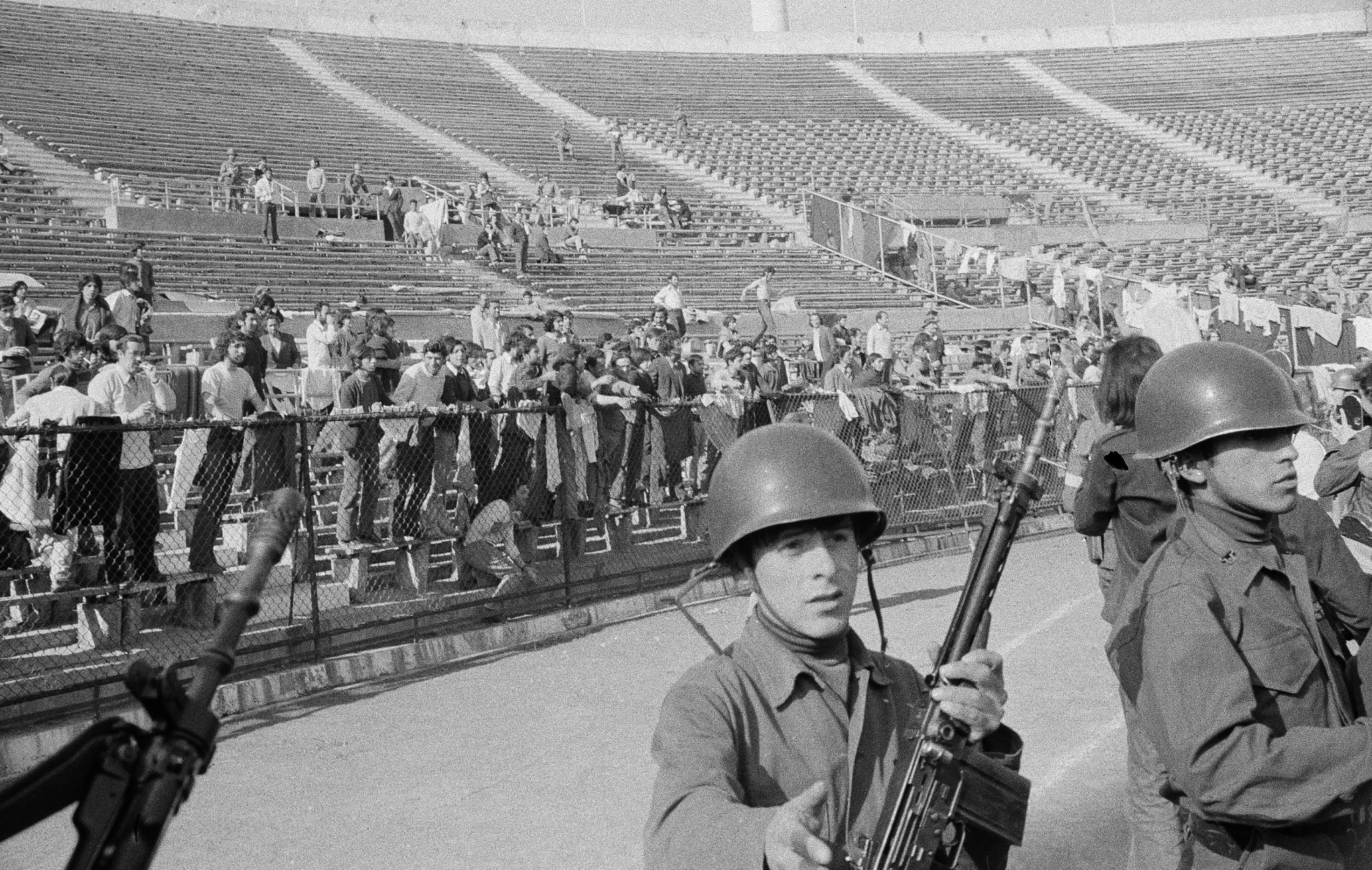
Estadio Nacional Santiago holds the memories of those who were kept in its stands. People passed time playing small games using attributes made from paper and foil. Others watched the field below as the grass was cut in long lines from one side to the other. The work moved slowly across the pitch until the mower drove straight toward the goal and right through it. A short cheer rose from the stands. It was a simple and recognizable sound in a place that no longer was simple. A dive into what happened in Santiago.
Expansion drift
Santiago, Chile’s capital, grew steadily through the 1930s. Expanding to the edge of the capital and public life shifts toward the outer districts. City planners look for open land that can support new roads, schools and sports grounds. Ñuñoa becomes part of this search as one of the few areas with enough space to shape a modern project.
Sport grew across Chile in the early twentieth century and became part of daily life in Santiago. Families fill parks and open grounds to watch races, matches and public events. New venues popped up as different sports demand more space. Campos de Sports de Ñuñoa opened in 1918 and brings organized activity to the district. Other stadiums follow as the city looks for places that can support larger crowds.

Estadio nacional
Calls for a single national venue increase as sport expands. Athletes gather in central Santiago in 1909 to ask for new grounds and a stadium for several disciplines. Plans move slowly through the following decades until work begins. The site prepares for a modern project that will become Estadio Nacional, the main stadium of Chile. Construction of Estadio Nacional began in 1937 on the former sports grounds of Ñuñoa. The project follows a clear plan led by architects from the Ministry of Public Works. Concrete and steel shape a simple oval with open stands and wide access points.
The new stadium opens in December 1938 with space for over fifty thousand people. Early visitors see a large structure set between the avenues of Grecia, Pedro de Valdivia, Marathon and Guillermo Mann. The field holds football and cycling, and while the stands filled the stadium became a part of the city. Its size draws both criticism and attention. Yet it would soon host a range of events and marks a visible step in the city’s modern development.

Rise after shock
In 1960 a massive earthquake struck Chile and left deep damage across the country. The shock reached 9.5 on Richter scale and became the strongest recorded in modern history. Thousands of people die and whole regions face long periods of recovery. The national mood shifts as the country tries to rebuild homes, roads and daily life. The scale of the disaster shapes public priorities. Creating a new sense of fragility that remained in the years that follow.
At the same time Chile prepares to host the World Cup after winning the vote for the tournament years earlier. Resources shift toward recovery and the organizers face a project that seems impossible. Support from FIFA helps keep the event alive. The work continues under the motto “because we have nothing we will do everything”. Carlos Dittborn leads much of the effort but dies before the tournament begins. Estadio Nacional Santiago became the main stage of the competition. Carrying the sense of a country that pushes forward despite loss and uncertainty. The Chilean national team reached 3rd place, the highest ever ranking of the country in a world cup.
After the World Cup the stadium continues to host major events. Continuing to grow as a central place for public life in Santiago. Through the 1960s it welcomed new sports, concerts and civic gatherings. Strengthening its role as a national venue before political tensions rose.
A tense nation
Chile enters the late 1960s with a political scene that begins to pull apart. Parties that once shared space in the center move in different directions. Debates over land, wages and major industries become sharper. The Radical Party splits as groups turn left or right. The Christian Democrats face similar divisions as younger members ask for faster change. The Socialist Party takes a more forceful path inspired by events in Cuba. The right gathers around a stronger conservative line. These shifts bring more tension into daily politics and leave the country deeply polarized.
The election of Salvador Allende in 1970 brings a period of rapid change. Industries move into public control and wages increase, but inflation rises fast and shortages appear in shops across Santiago. Strikes grow and groups on both sides become more active. The political center weakens and daily life becomes harder. At the same time the United States limits loans, supports opposition groups and adds extra pressure on the economy. These factors combine and push the country into a more fragile state.
Tension increases as internal and external pressures come together. The United States backs efforts to weaken the government and supports groups that organize strikes and protests. Economic restrictions add to the strain and reduce access to credit. By 1973 political institutions struggle to function. The conflict reaches a point where normal governance is no longer possible. In this climate the armed forces prepare to intervene. On 11 September military units move through Santiago and bring an end to civilian rule.
The takeover places key sites across the city under military control. Supporters of the previous regime and left orientated civilians get arrested throughout the city. Public buildings change function and open spaces become restricted areas. Estadio Nacional is one of these locations as the stadium enters a new and difficult chapter under the new authorities.
Stadium under command
In the days after the coup large groups of detainees are brought to Estadio Nacional Santiago under the new military command. General Augusto Pinochet, who emerges as the head of the junta, directs the takeover of Santiago. Overseeing the rapid control of public spaces. The stadium, usually filled with sports crowds, becomes a controlled zone with guards at every entrance. People arrive without knowing how long they will stay or what will follow. They are held in different areas of the building. Authorities use the scale of the venue to manage arrests across the city.
Testimonies describe various conditions inside the stadium as the first days unfold. Under the stands detainees sit on concrete floors with little shelter or information. Others wait in open seating areas. Small rooms near the field are used for questioning, while service corridors and storage spaces become improvised holding zones.
Despite different reports one fact remains clear. Estadio Nacional functions as a major temporary detention center in the first phase of the new regime. Its size allows the military to separate groups and move people through the site. Deciding who will be released and who will be transferred to other facilities across the country. Thousands pass through the stadium during these days. Its role becomes one of the most visible and lasting symbols of the early period under Pinochet.
the Aftermath
Estadio Nacional Santiago remains a detention site for several weeks after the coup. By early November, the number of detainees drops as people are moved to prisons, military bases or similar facilities. As transport lists grow, the stands slowly empty. Soldiers stay on site until the last groups have been processed. When the stadium finally closes as a holding space the country enters a long period of military rule under Pinochet. Political parties are banned and public life is tightly controlled. For many families the stadium becomes the place where the trail of a loved one ends. Its concrete holds the memory of the estimated 40,000 people that passed through in those months.
Chile remained under military rule for seventeen years. Public life tightly managed and political opposition was not permitted. In the late 80s pressure for change grew. Civic movements, international coverage and a national vote that rejected the continuation of Pinochet’s rule. Democracy returns in 1990 and the country begins addressing the abuses of the past. Estadio Nacional becomes one of the places most closely linked to that period.
During those seventeen years the stand filled regularly. Sports continued and fans returned to the stands. League games, international qualifiers and athletics. The stadium looked unchanged from the outside. People returned to watch sports, as they should in a stadium, with a very bitter edge.
Today
Today Estadio Nacional stands as both a modern sports complex and a place of remembrance. Renovations reshaped the stands and the surrounding grounds while protected areas remain in place. Escotilla ocho is open to visitors and preserved sections under the stands still hold inscriptions made by detainees. The stadium hosts tournaments, concerts and celebrations, serving its purpose. Yet it still keeps quiet spaces where the past stays visible. A venue that moved forward while carrying the weight of what happened within its walls.
The grass is still cut in long passes across the field. The same action that gave detainees a brief moment of joy, a cheer on the stands. For a mower passing through one of the goals. That small sound echoes now as a reminder of the lives held here and the history carried in the stands.